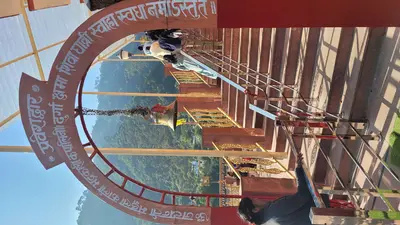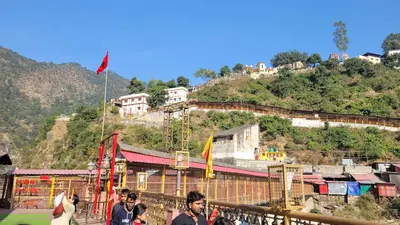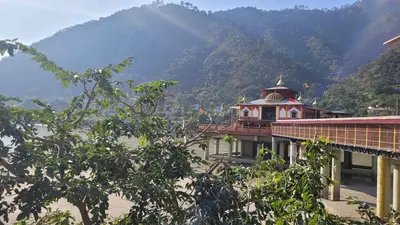
Dhari Devi Temple
- 15 km from City Center
About Dhari Devi Temple
Nestled along the pristine banks of the Alaknanda River, Dhari Devi Temple stands as Uttarakhand’s most protective spiritual force. This ancient Shaktipeeth, dedicated to Goddess Dhari Devi (Maa Bhawati), serves as the divine guardian of the sacred Char Dham Yatra, blessing millions of pilgrims who traverse through the Garhwal Himalayas each year.
Located in the tranquil village of Kalyasaur, this revered temple attracts devotees not just for its religious significance, but also for the fascinating legends and mysterious events that surround it. Every traveler passing through the Garhwal region stops to seek blessings from Maa Dhari Devi, making it an essential pilgrimage destination in Uttarakhand.
Quick Temple Facts
| Location | Kalyasaur village, between Rudraprayag and Srinagar Garhwal |
| Significance | One of 108 sacred Shaktipeeths, Guardian of Char Dham |
| Distance | 15 km from both Rudraprayag and Srinagar |
| Best Time | April to June, October to November |
| Nearest Airport | Jolly Grant, Dehradun (134 km) |
| Ideal Duration for Darshan | 1-2 Hrs. |
Why Dhari Devi Temple is Uttarakhand’s Most Important Shaktipeeth
Sacred Significance That Sets It Apart
Divine Protection Role:
- Recognized as the official guardian and protector of Char Dham (Kedarnath, Badrinath, Gangotri, Yamunotri)
- One of the 108 revered Shaktipeeths spread across the Indian subcontinent
- Known for granting safe passage to pilgrims traveling through dangerous mountain routes
- Considered mandatory visit for anyone undertaking Garhwal pilgrimage
Unique Religious Features:
- The goddess appears in a living form rather than a traditional stone idol
- Part of a unique dual-temple system with Kalimath Temple
- Represents both protective and fierce aspects of divine feminine energy
- Sacred location where devotees experience immediate spiritual connection
Ancient Legends and Sacred History of Dhari Devi
The Divine Division: A Unique Spiritual Phenomenon
The most fascinating aspect of Dhari Devi Temple lies in its connection with Kalimath Temple, located in Rudraprayag district. According to ancient Hindu scriptures, the goddess manifests in two complementary forms:
At Dhari Devi Temple: The upper half of the goddess resides here, representing her benevolent, protective nature that shields devotees from harm.
At Kalimath Temple: The lower half is worshipped as fierce Maa Kali, embodying the destructive power that eliminates evil and negativity.
This divine division symbolizes the complete cycle of cosmic energy – creation, preservation, and destruction – making both temples integral to each other’s spiritual power.
The Alaknanda River Legend: How the Temple Got Its Name
Local folklore narrates a powerful story from centuries ago when devastating floods struck the Alaknanda River. During this natural disaster, a sacred idol of Goddess Kali became firmly lodged against a massive boulder in the river.
The villagers of Dharo heard the goddess’s divine voice instructing them to establish her shrine at that exact spot where she had chosen to stay. Following her divine command, they built the temple at this location, naming it “Dhari Devi” – derived from the village name Dharo and the incident of the goddess choosing her own sacred spot.
This legend reinforces the belief that the goddess herself selected this location for her temple, making it an incredibly powerful spiritual center.
The 2013 Temple Relocation: A Mysterious Turn of Events
What Happened During the Controversial Move
One of the most discussed events in recent Uttarakhand history occurred in June 2013 when authorities decided to relocate the original Dhari Devi Temple. Due to the construction of the Alaknanda Hydro Electric Project, the ancient temple was moved from its original location to a concrete platform situated 600 meters above the Alaknanda River.
The Shocking Aftermath: Within just a few hours of this relocation, one of the most devastating natural disasters in Uttarakhand’s history struck. The Kedarnath cloudburst and subsequent flash floods destroyed entire towns, claimed thousands of lives, and caused unprecedented damage across the region.
Local Beliefs and Interpretations: Many locals, spiritual leaders, and devotees firmly believe this catastrophic event was the goddess’s displeasure at being moved from her chosen sacred location. The widespread destruction that followed the temple’s relocation reinforced ancient beliefs about respecting the divine will regarding sacred sites.
Current Status: Learning from this experience, authorities have since reconstructed the temple at its original location, respecting the traditional beliefs and the goddess’s apparent preference for her chosen spot.
This incident serves as a powerful reminder of the deep spiritual connections between sacred sites and their natural environments in Himalayan culture.
Complete Travel Guide: How to Reach Dhari Devi Temple
Transportation Options with Detailed Routes
✈️ By Air (Most Convenient for Long-Distance Travelers)
- Airport: Jolly Grant Airport, Dehradun
- Distance: 134 km from temple
- Flight Connections: Regular services from Delhi, Mumbai, Bangalore, Pune, Jaipur
- Travel Time: 3.5-4 hours by road from airport
- Cost: ₹4,000-8,000 for flights (varies by season)
Pro Tip: Book flights early during peak pilgrimage season (May-June)
🚂 By Train (Budget-Friendly Option)
- Station: Yog Nagari Railway Station, Rishikesh
- Distance: 120 km from temple
- Major Connections: Delhi, Mumbai, Kolkata, Chennai
- Travel Time: 3-3.5 hours by road from Rishikesh
- Cost: ₹500-2,000 depending on class
- Advantage: More economical than flights
🚗 By Road (Most Flexible Travel Option)
- Route Options: Multiple well-maintained highways
- From Haridwar: 135 km (approximately 4 hours)
- From Dehradun: 160 km (approximately 5 hours)
- From Delhi: 350 km (approximately 8-9 hours)
- Parking: Available near temple premises
Note: Final approach requires short downhill walk with stairs
🚕 Private Taxi Services (Recommended for Comfort)
- Benefits: Door-to-door service, experienced mountain drivers
- Cost: ₹3000-4000 per cab for round trips
- Booking: Available from all major cities
Special Services: Multi-day packages combining nearby attractions
Best Time to Visit Dhari Devi Temple: Seasonal Guide
Weather Patterns and Ideal Visiting Periods
🌞 Summer Season (April-June) – Peak Pilgrimage Time
- Temperature: 26°C to 35°C
- Weather: Warm days, pleasant evenings
- Advantages: Clear mountain views, all roads accessible
- Crowds: High during weekends and festivals
Recommendation: Best overall period for comfortable visit
🌧️ Monsoon Season (July-September) – Spiritual but Challenging
- Weather: Heavy rainfall, occasional landslides
- Temperature: 20°C to 30°C
- Spiritual Significance: Considered highly auspicious for goddess worship
- Caution: Check road conditions, carry rain gear
Beauty: Lush green landscapes, flowing rivers
❄️ Winter Season (October-March) – Serene Experience
- Temperature: 5°C to 20°C
- Weather: Crisp mornings, sunny afternoons
- Advantages: Clear Himalayan views, fewer crowds
- Requirements: Warm clothing essential for early morning/evening
Special: Snow-capped peaks visible on clear days
Festival Calendar and Special Occasions
- Navratri (March/April & September/October): Most auspicious time for goddess worship
- Dussehra: Special prayers and celebrations
- Diwali: Temple beautifully decorated with lights
Kumbh Mela years: Increased pilgrimage activity
Practical Travel Tips for Your Dhari Devi Visit
Essential Preparation Checklist
👕 Clothing Recommendations:
- Modest, comfortable clothing for temple visit
- Layers for changing mountain weather
- Sturdy walking shoes for stairs
Rain protection during monsoon
📱 What to Carry:
- Camera (check photography rules)
- Water bottle and light snacks
- First aid kit for mountain travel
Power bank for phone charging
💰 Budget Planning:
- Temple donation (₹21-101 typical)
- Parking fees (₹20-50)
- Food and refreshments (₹200-500)
Transportation costs (varies by mode)
Cultural Etiquette and Temple Guidelines
Respectful Behavior:
- Remove shoes before entering temple premises
- Dress modestly covering shoulders and legs
- Maintain silence during prayer time
- Follow photography restrictions
Respect local customs and traditions
Environmental Responsibility:
- Don’t litter around sacred sites
- Respect river cleanliness
- Use designated parking areas
- Support local eco-friendly initiatives
Get In Touch
- Need immediate help?
Travel Tips
- Best time to visit: Early morning to avoid crowds
- Photography allowed in most areas
- Wear comfortable shoes for walking
Gallery